Exploration · first seen 28 Aug, updated 28 Aug
The James Webb Space Telescope studied 72 young star systems and revealed why Jupiter-like planets face a race against time: they must acquire their massive atmospheres within the gas-rich disc’s first several million years, before jets and disc winds disperse the material needed to build them.
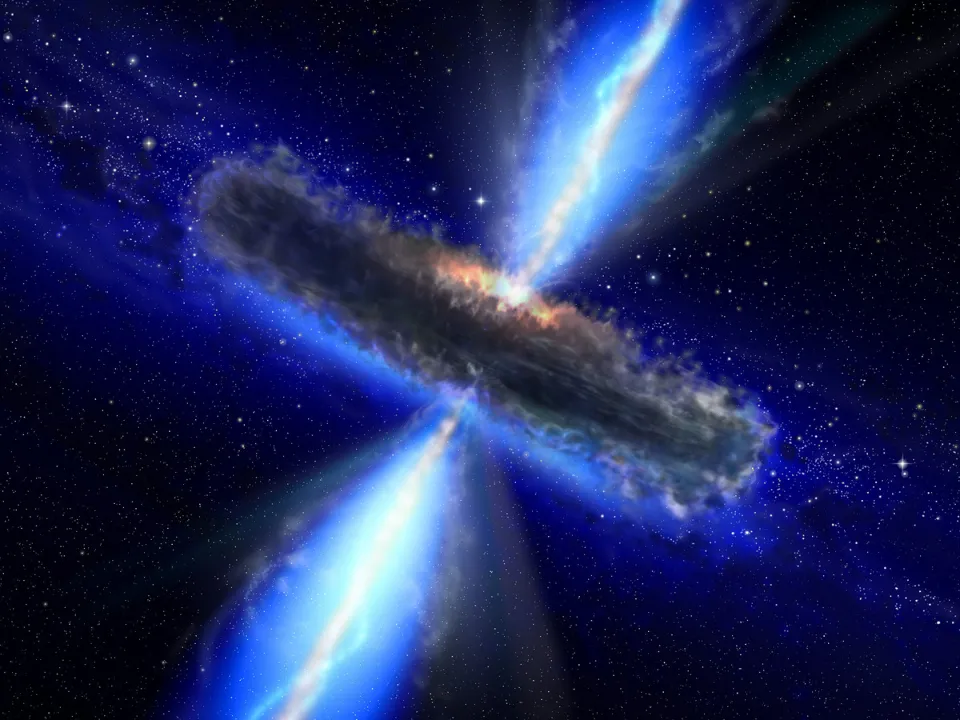
Webb mapped molecular winds, atomic winds and jets across 72 planet-forming discs, tracing how the gas reservoir needed by giant planets changes with age. The post The James Webb Space Telescope studied 72 young star systems and revealed wh…
Summary from SpaceDaily.